Free On-Site Water Testing in Monahans, TX: Know What is in Your Water
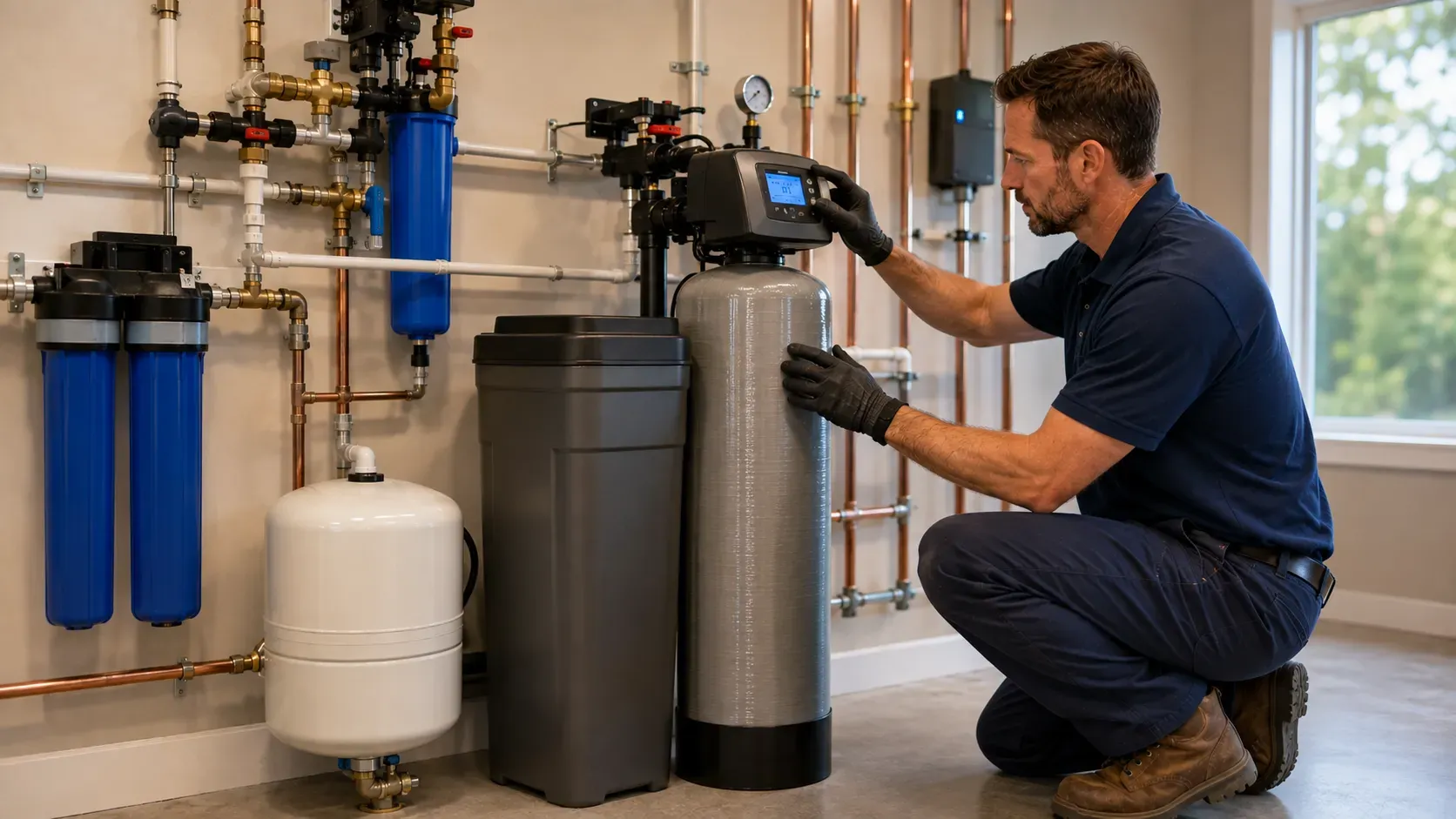
Free on-site water testing in Monahans, TX uses digital and chemical methods to assess hardness, chlorine, iron, sulfur, and total dissolved solids within a 50-mile service radius.
What Parameters Does On-Site Water Testing Measure?
On-site testing evaluates water hardness, chlorine levels, iron content, sulfur presence, and total dissolved solids to identify treatment needs and recommend appropriate equipment.
Water hardness measures calcium and magnesium concentration in grains per gallon. Levels above 7 grains cause scale buildup and reduce soap effectiveness. Chlorine testing detects residual disinfectant from municipal treatment that affects taste and can damage certain equipment.
Iron appears as reddish staining on fixtures and laundry. Sulfur creates a rotten egg odor even at low concentrations. Total dissolved solids indicate the overall mineral load and help size reverse osmosis systems. Each parameter tells part of your water quality story.
How Does Digital and Chemical Testing Ensure Accuracy?
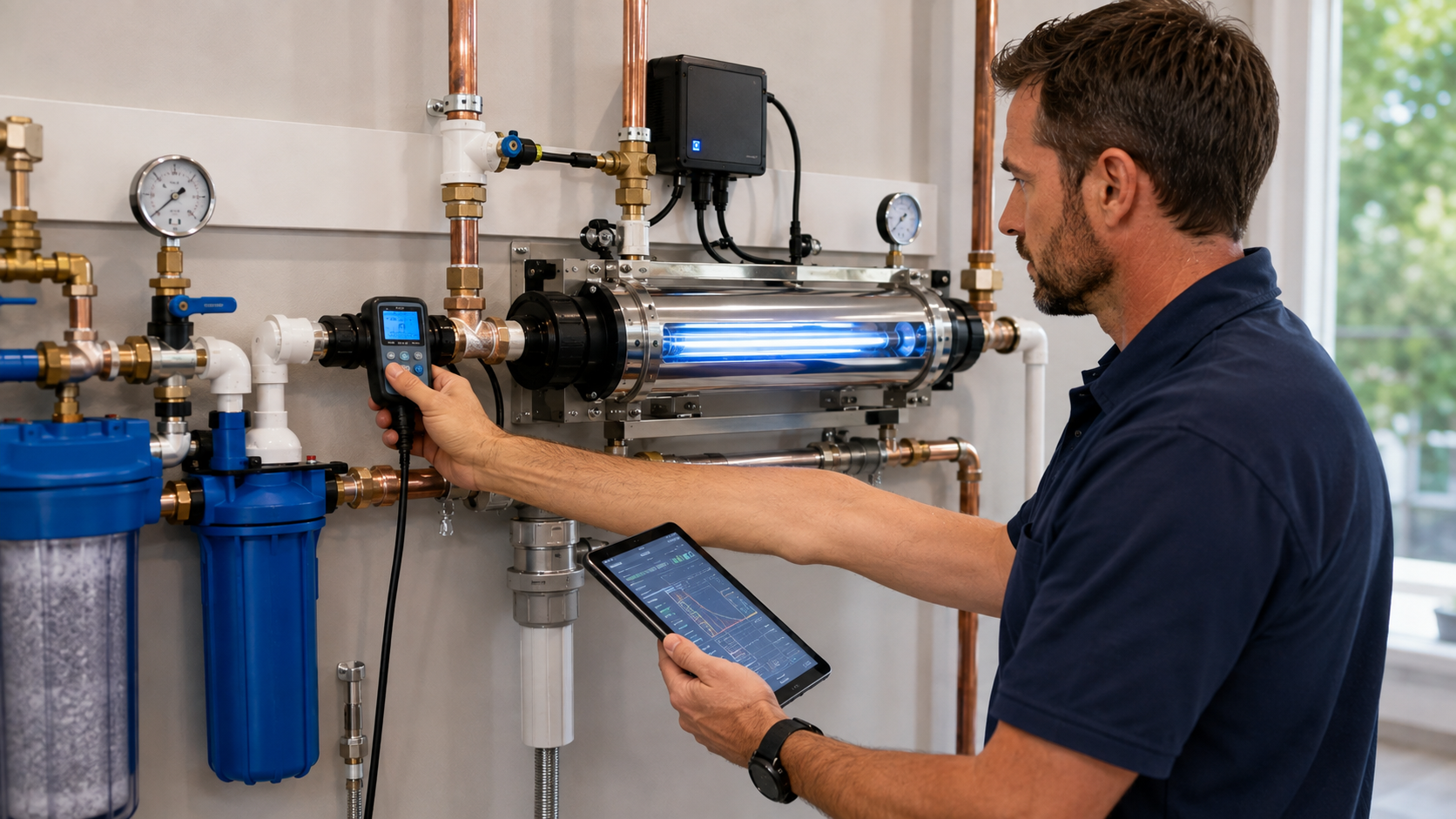
Digital meters provide instant numeric readings for hardness, TDS, and pH, while chemical test strips and reagents confirm results through color reactions that cross-verify findings.
A digital TDS meter passes a small electrical current through water to measure conductivity, which correlates with dissolved mineral concentration. Digital hardness testers use ion-selective electrodes for precise calcium and magnesium readings. These tools deliver fast, repeatable measurements.
Chemical tests add reagent drops that change color based on contaminant levels. Hardness test kits turn from blue to red as you add drops, with the number of drops indicating hardness. Iron test strips develop orange hues in proportion to iron concentration. Combining digital and chemical methods validates results and builds confidence in recommendations.
If you are searching for water solutions near me, accurate testing is the foundation for effective treatment system selection and sizing.
Many homeowners across the service area also request water testing and analysis services in Odessa, TX to compare findings and understand regional water quality patterns.
Do Municipal and Well Water Require Different Testing Approaches?
Municipal water needs testing for hardness, chlorine, and occasional taste issues, while well water requires broader analysis including bacteria, nitrates, and naturally occurring contaminants.
City water undergoes treatment and regular testing to meet EPA standards. However, mineral content varies by source and season, and chlorine levels may be higher after system maintenance. On-site testing identifies the specific issues your household experiences at the tap.
Well water bypasses municipal treatment and reflects local geology and land use. Testing should screen for coliform bacteria, nitrates from agriculture, and naturally occurring iron, manganese, or sulfur. Comprehensive analysis guides multi-stage treatment design for well users.
When Should You Schedule Water Testing for Your Home?
Test your water when moving into a new home, noticing taste or odor changes, experiencing staining or scale, or annually if using well water to monitor quality trends.
New homeowners benefit from baseline testing before installing treatment equipment. If water suddenly tastes different or fixtures develop new stains, testing identifies the cause. Annual testing for well users catches gradual changes in aquifer chemistry or contamination from nearby land use.
After severe weather or construction near your property, retesting ensures your water remains safe. Testing before major appliance purchases helps you choose models suited to your water quality. Regular monitoring protects your family and property investment.
Residents in surrounding communities also explore water testing and analysis services in Midland, TX for similar comprehensive assessments and treatment planning.
How Does Monahans Geography Affect Local Water Quality?
Monahans sits in the Permian Basin atop mineral-rich geological formations, resulting in naturally hard water with elevated total dissolved solids and occasional iron or sulfur content.
Groundwater in the region passes through layers of limestone, gypsum, and sandstone that dissolve into the water column. This creates hardness levels often exceeding 15 grains per gallon and TDS readings above 500 parts per million. Some areas encounter hydrogen sulfide gas that dissolves into well water, causing sulfur odor.
Proximity to oil and gas operations can introduce additional monitoring considerations for well owners. While municipal systems treat water to meet safety standards, residential treatment provides additional control over taste, odor, and mineral content specific to your household preferences.
Aqua Pure Midland Odessa offers free on-site water testing throughout Monahans and surrounding areas within a 50-mile radius. You learn exactly what is in your water and receive expert recommendations for treatment solutions tailored to your results. Explore your options by calling (432) 701-8591 to schedule your no-cost water analysis today.