Why Odessa Well Water Often Smells Like Sulfur and What Treats It
QUICK ANSWER: Odessa well water smells like sulfur because of hydrogen sulfide, a gas that forms when sulfate reducing bacteria feed on minerals in the aquifer, the well casing, the plumbing, or the water heater. West Texas groundwater often moves through rock layers rich in sulfur compounds, so the problem is common in private wells. The fix depends on where the smell starts and how much gas is dissolved in the water. Light cases respond to carbon filtration, moderate cases to oxidizing filters or aeration, and heavy cases to continuous chlorination followed by filtration. A test taken at your property tells you which one fits.
You turn on the kitchen tap to fill a pot, and the smell reaches you before the water does. It is the same sharp, eggy odor that greets you in the shower the next morning, and it seems to hang in the bathroom long after the fan shuts off. You have scrubbed the drain, run the dishwasher empty with vinegar, and lit a candle. The smell comes back anyway, because it was never living in your drains. It was riding in on the water.
Across Odessa, Gardendale, Greenwood, and the ranch and oilfield country around them, private wells deliver this complaint more often than almost any other. The good news is that sulfur odor is rarely a sign of dangerous water, and it responds well to treatment once the source is pinned down. The harder part is that the same smell can come from four different places, and each one needs a different answer. This guide walks through where the odor starts, how to narrow it down at home, and which treatments earn their place.
Where the Rotten Egg Smell Actually Comes From
It Is A Gas, Not A Stain
The rotten egg odor comes from hydrogen sulfide dissolved in water. Even tiny concentrations can produce a noticeable smell, making your nose far more sensitive than typical household water test strips.
Bacteria Do Much Of The Work
Sulfur reducing bacteria thrive without oxygen in groundwater, well casings, pipe scale, and water heaters. They consume sulfate and release hydrogen sulfide, while their slime can eventually clog screens, pipes, and irrigation lines.
Geology Adds Its Own Contribution
Water moving through shale, sandstone, or rock near oil and gas fields can naturally collect hydrogen sulfide. In some wells, geological conditions mean the gas enters the water before it reaches your pump.
Poor Well Construction Can Make It Worse
Shallow, poorly sealed wells or wells near septic systems and surface water can encourage odor producing bacteria. Most sulfur smells are not sewage, but testing matters when contamination is possible.
Reading the Clues Your Faucets Are Giving You
Before anyone brings in equipment, a few minutes at the sink can narrow the field a great deal. The state health department guidance for well owners lays out a simple sequence, and it works well for homes in Midland and Ector counties.
Smell The Cold Water First
After several hours unused, run a cold tap and smell it. Clean cold water with odor only in hot water points toward the water heater, where sulfur bacteria thrive.
Check A Tap That Bypasses The Softener
If you have a water softener, test an outdoor spigot or another bypassed tap. Odor appearing only downstream can indicate bacteria inside the softener resin tank.
Run The Water For A Few Minutes
If the smell fades after running water, stagnant plumbing water may be carrying the odor. If it remains steady, hydrogen sulfide may be entering directly with groundwater.
Look For The Physical Evidence
Black stains, corroded metal fittings, and slimy toilet tank buildup can indicate hydrogen sulfide and sulfur bacteria. The gas can also contribute to plumbing corrosion beyond the unpleasant odor.
TIP: Do the smell test first thing in the morning or after you return from a trip. Water that has sat in the pipes for several hours holds the most gas, so the difference between hot and cold taps, and between softened and unsoftened taps, is easiest to notice. Write down what you find at each faucet and share the notes with your water treatment technician.
Why West Texas Wells Run Into This So Often
Mineral Rich Aquifers
Groundwater across the Permian Basin often contains dissolved minerals, including sulfate. When sulfur reducing bacteria encounter sulfate in low oxygen well environments, they can produce hydrogen sulfide.
Heat Speeds Everything Up
Warm conditions can encourage bacterial growth in well houses, pressure tanks, and exposed plumbing. After water sits unused, bacteria can produce stronger odors that become noticeable when faucets reopen.
Rural And Ranch Properties Carry Long Runs Of Pipe
Rural properties may have hundreds of feet of piping between wells and buildings. Slow moving water gives bacteria more time to settle, especially in rarely used bathrooms and outbuildings.
City Water Is A Different Situation
Municipal water can experience temporary taste or odor changes from naturally occurring algae. Persistent odors, especially from private wells, warrant property specific testing to identify the source.
Treatment Options Matched to How Much Gas Is in the Water
Hydrogen sulfide treatment is not one product. The extension service and state health agencies all stress that the right choice depends on how much gas is dissolved in the water, and that the concentration has to be measured before equipment is selected. Here is how the common options line up.
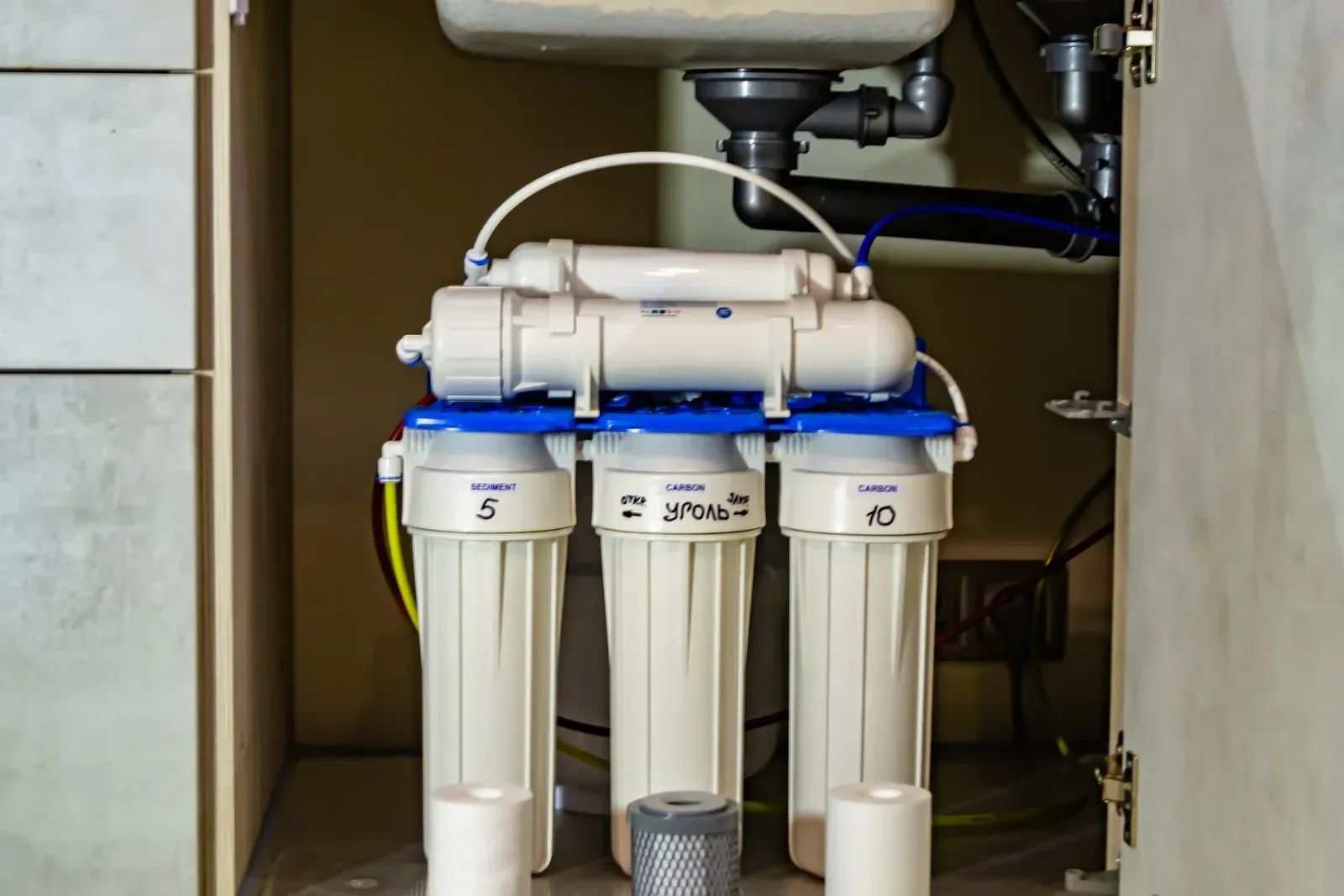
Activated Carbon Filtration
Activated carbon adsorbs hydrogen sulfide and works well for trace amounts. Granular systems need backwashing, while cartridges require replacement. Higher concentrations can exhaust small carbon filters quickly, making them unsuitable for heavily sulfured wells. Proper sizing depends on sulfide concentration and water usage.
Aeration
Aeration introduces air into water, allowing hydrogen sulfide to escape and converting some sulfide into sulfate. It adds no chemicals and suits lower concentrations, but requires additional equipment, space, and often a second pump. Sulfur particles may form during treatment and require filtration afterward.
Oxidizing Filters
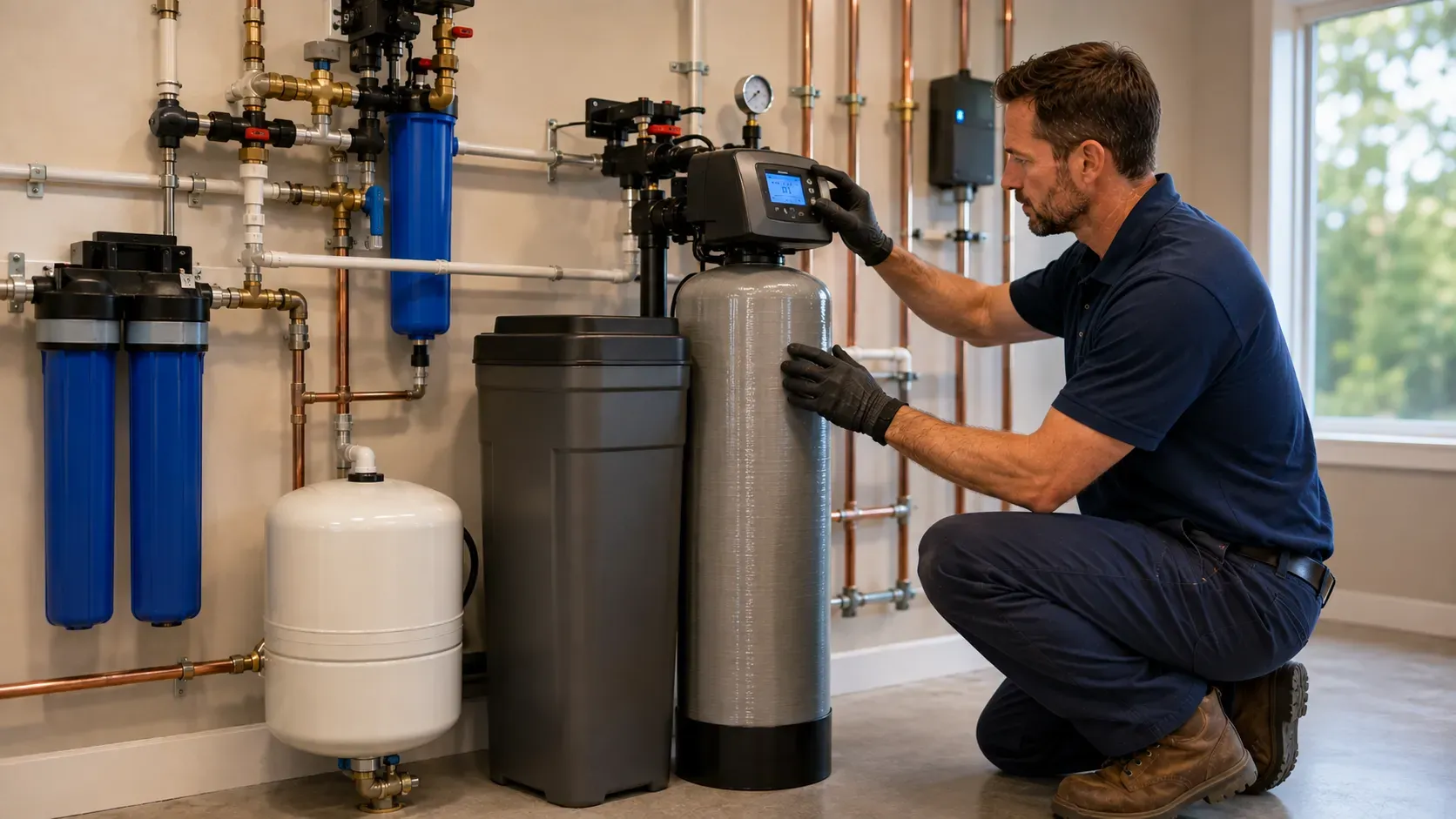
Manganese greensand filters oxidize hydrogen sulfide into sulfur particles and capture them. They can also remove iron and manganese, which commonly occur with sulfur. These systems require potassium permanganate regeneration and regular backwashing, with maintenance increasing as sulfide concentrations rise.
Continuous Chlorination With Filtration
Automatic chlorination injects chlorine before a contact tank, where it oxidizes hydrogen sulfide into odorless compounds. A sediment filter removes resulting particles, while carbon can remove residual chlorine. Proper pump dosing and contact time are essential, especially for wells with heavier sulfide concentrations.
Other Oxidizers
Hydrogen peroxide and ozone can also oxidize hydrogen sulfide effectively. These treatments are less common in residential systems but can suit specific wells, particularly when homeowners prefer alternatives to chlorine for managing persistent sulfur odors.
Combined Systems
Sulfur often occurs alongside iron, manganese, hardness, or bacteria. A treatment system may combine oxidation, sediment filtration, softening, and disinfection to address multiple problems. Treating sulfur alone may leave other water quality issues unresolved, so testing should guide the overall system design.
Fixing the Water Heater and the Well Itself
Hot Water Only
When cold water is clean, the water heater is likely responsible. A magnesium anode can promote hydrogen sulfide formation. Replacing it may reduce odor, but warranty considerations apply.
Flushing And Heat
Sulfur bacteria inside water heaters can sometimes be reduced through high temperature flushing or chlorination. However, bacteria elsewhere in the plumbing can quickly reseed the tank afterward.
WARNING: Never raise a water heater to the high temperatures used for bacteria control unless the pressure relief valve is confirmed working, and never enter a well pit, pump house, or other enclosed space where hydrogen sulfide may have collected. The gas is heavier than you might expect, settles in low spots, and can be harmful at high concentrations. Leave confined spaces and heater adjustments to a trained professional.
Shock Chlorination Of The Well
Measured chlorine can disinfect wells and plumbing after flooding, pump work, or positive bacteria tests. Persistent sulfur bacteria may survive beneath protective slime, requiring continuous treatment.
Softener Cleaning
If odor appears only after softened water, bacteria may be growing inside the resin bed or brine tank. Follow manufacturer cleaning instructions or have the system professionally sanitized.
What a Proper On Site Test Should Cover
Sample At The Property
Hydrogen sulfide escapes water quickly, so samples sitting in cars or on shelves can underreport well conditions. Testing onsite or stabilizing samples immediately provides more reliable sulfur measurements overall, especially onsite.
Measure The Gas Then Look Beyond It
A useful water test measures hydrogen sulfide, sulfate, iron, manganese, hardness, and pH. These factors interact, so testing together helps prevent choosing treatment equipment that solves one problem but creates another.
Check For Bacteria
Most rotten egg odors do not necessarily mean unsafe drinking water, but coliform testing helps rule out contamination. Private wells should be tested annually and whenever taste, smell, or appearance changes significantly.
Plan The System Around Daily Demand
System sizing should reflect daily and peak water demand. A large family, barn wash rack, and guest house create different loads, affecting contact tanks, filters, and backwash requirements throughout the day.
Schedule The Upkeep Before It Is Needed
Plan maintenance before problems return. Oxidizing filters need regeneration, carbon requires replacement, chlorine feeders need refilling, and softeners need sanitizing. Regular upkeep helps prevent sulfur odors from returning during summer.
Frequently Asked Questions
Is sulfur smell in my well water dangerous to drink?
Usually it is a nuisance, not a health threat, though it affects taste and can corrode plumbing. Sewage or contamination is the rare exception, so pair any sulfur complaint with a bacteria test.
Why does only my hot water smell like rotten eggs?
This usually points to the water heater, where sulfur bacteria thrive and a magnesium anode rod can help produce the gas. Swapping the anode or sanitizing the tank often helps.
Will a water softener remove the sulfur smell?
Not on its own, since softeners target hardness minerals instead of hydrogen sulfide. Sulfur is usually handled by an oxidizing filter, aeration, or chlorination placed ahead of the softener.
Can I just shock chlorinate the well myself?
It is a known method, but it involves measured bleach, flushing steps, and septic cautions. It often fails against thick sulfur and iron bacteria slime, so recurring odor needs a continuous solution.
Why did the smell get worse after I came back from vacation?
Water sitting in pipes and heaters gives bacteria time to multiply and gas time to build up. Flushing helps briefly, but a recurring pattern calls for permanent treatment.
How do I know which treatment my well needs?
Hydrogen sulfide concentration, plus iron, manganese, hardness, pH, and bacteria results, determines the design. Smell strength is unreliable, so a test at your property gives the numbers that make the choice clear.
Clearing Sulfur Odor by Treating the Right Source
A sulfur smell that follows you from the kitchen to the bathroom is frustrating, but it is also one of the more solvable well water problems. Pin down whether the gas comes from the groundwater, the well, the softener, or the water heater, then measure how much is present and match the equipment to those numbers. Done that way, the rotten egg smell goes away for good instead of returning every few weeks. The same stages often take out iron stains, grit, and scale too.
Aqua Pure Midland Odessa
in Midland-Odessa, TX, has spent 5
years matching treatment systems to the real chemistry of local wells. An onsite test, a look at hardness and bacteria, and a design sized to daily demand keep the result steady through the hottest months. Regular upkeep on filters, feeders, and
softeners protects
that result long after installation. Homeowners end up with water that smells clean, tastes better, and treats their plumbing more gently.