Key Benefits of UV Disinfection Systems in Pecos, TX Water Supplies

UV disinfection systems in Pecos, TX use ultraviolet light to destroy bacteria, viruses, and parasites in water supplies without adding chemicals or altering taste.

How Does UV Light Kill Waterborne Pathogens?

UV disinfection exposes water to ultraviolet light at a specific wavelength that penetrates microbial cells and disrupts their DNA, preventing reproduction and causing immediate inactivation.

A UV system houses a lamp inside a stainless steel chamber. Water flows around the lamp while UV-C light at 254 nanometers irradiates passing microorganisms. This wavelength damages the genetic material in bacteria, viruses, cysts, and parasites so they cannot multiply or cause infection.

The process happens instantly as water moves through the chamber. Unlike chlorine or other chemical disinfectants, UV leaves no residual in the water. You experience no taste or odor change, just microbial safety.

Which Microorganisms Can UV Systems Eliminate?

UV disinfection effectively inactivates E. coli, Giardia, Cryptosporidium, Legionella, Salmonella, and a wide range of viruses including hepatitis and norovirus.

Well water in rural Pecos areas can harbor bacteria from surface runoff or naturally occurring organisms. Municipal systems treat water but aging distribution pipes may introduce contamination between the plant and your tap. UV provides a final safeguard against microbial threats.

The technology works equally well on bacteria and parasites that resist chlorine treatment. Cryptosporidium cysts, for example, require high chlorine doses or long contact times but UV inactivates them in seconds. This makes UV ideal for layered protection in homes concerned about waterborne illness.

If you are looking for water solutions near me, UV disinfection complements filtration systems by addressing biological risks that physical filters may miss.

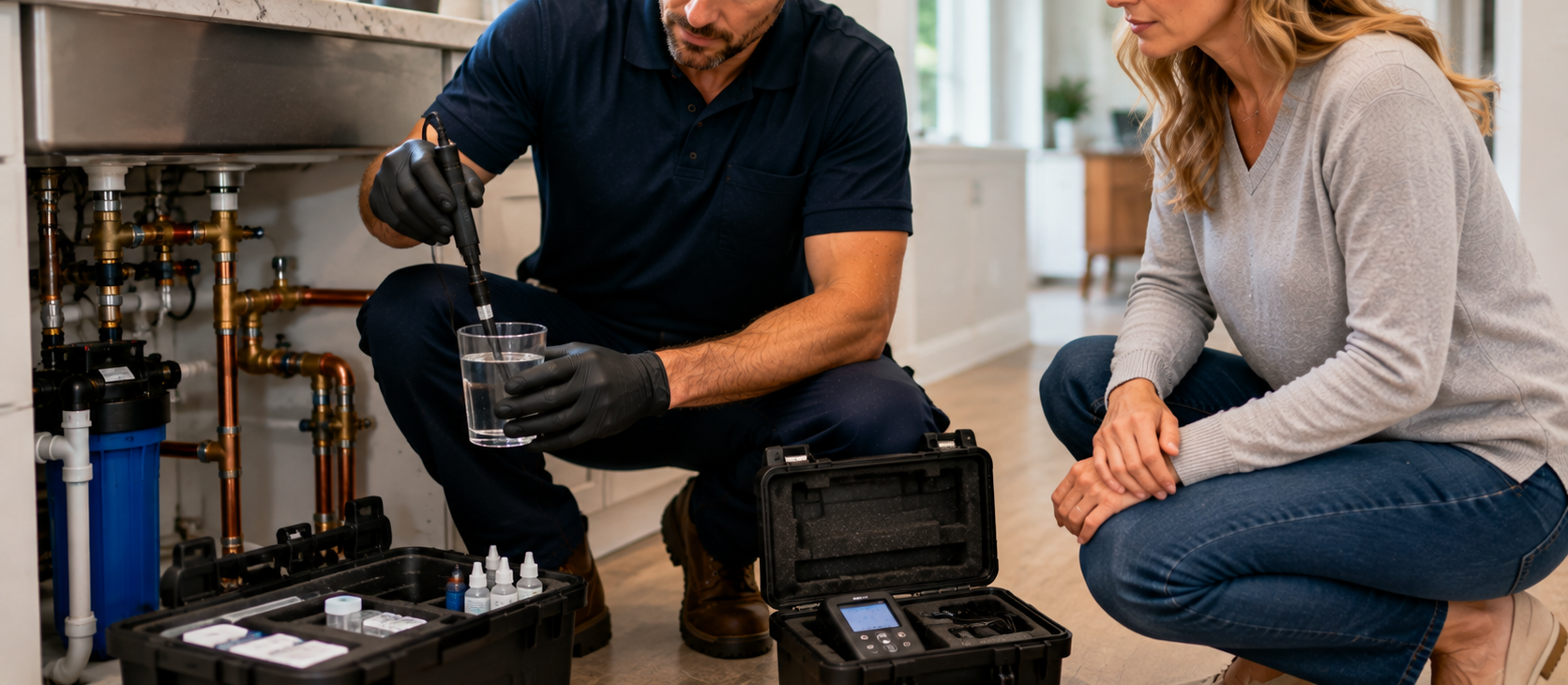
Homeowners often pair UV disinfection with water testing and analysis services in Pecos, TX to identify specific microbial risks and confirm treatment effectiveness.
Do UV Systems Require Ongoing Maintenance and Monitoring?

UV lamps need annual replacement to maintain effective disinfection intensity, and the quartz sleeve surrounding the lamp requires periodic cleaning to remove mineral deposits.

UV lamp output diminishes over time even if the bulb still glows. Most manufacturers recommend replacing lamps every 9 to 12 months to ensure consistent microbial inactivation. The sleeve protects the lamp from direct water contact but accumulates scale and sediment that block UV transmission.

Cleaning the sleeve takes minutes with a soft cloth and mild acid solution. Some systems include indicator lights or alarms that signal when lamp replacement is due. Regular maintenance keeps your UV system operating at peak efficiency.

Can UV Disinfection Work Alongside Other Water Treatment?

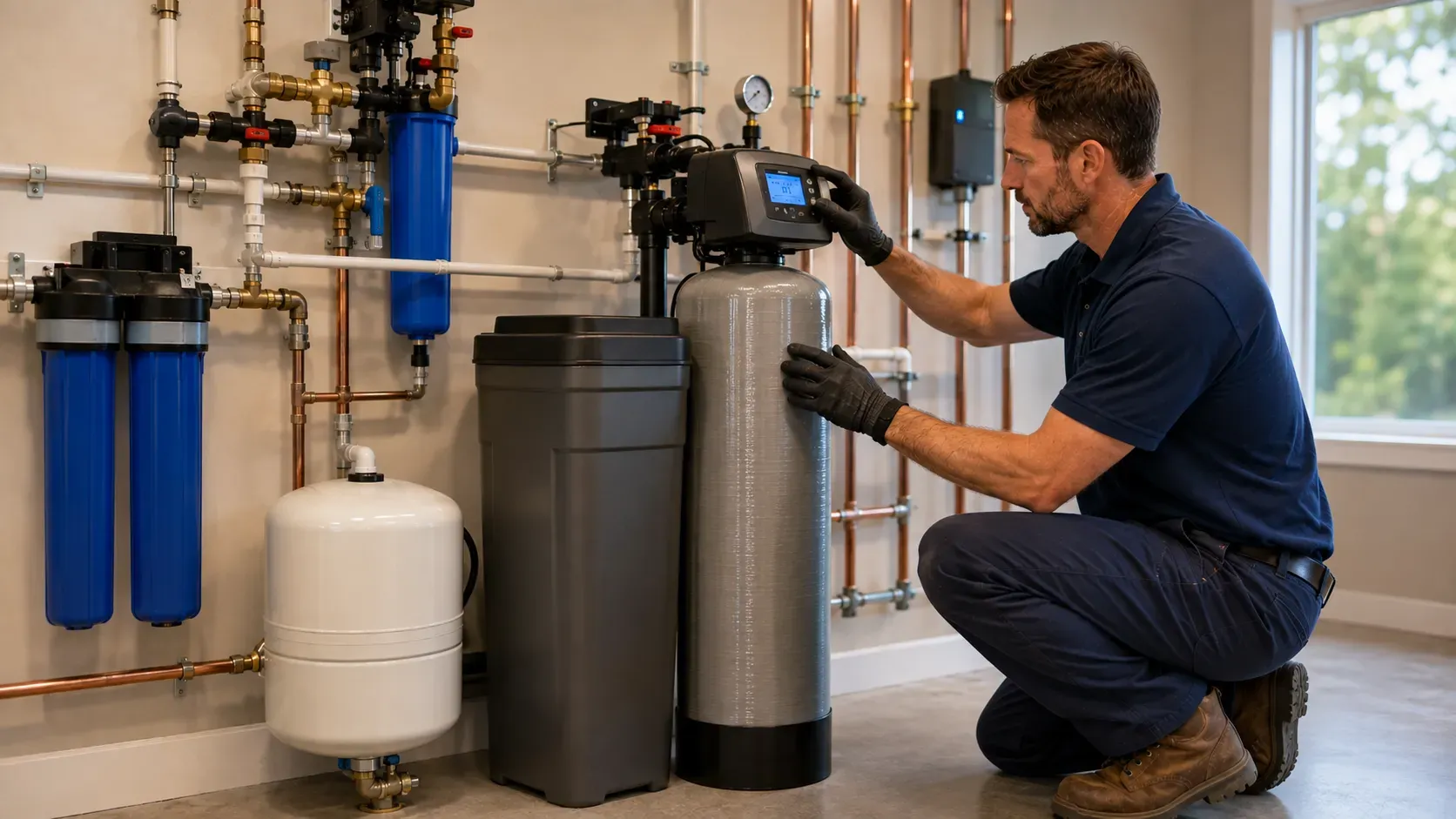
UV systems integrate easily with sediment filters, carbon filters, water softeners, and reverse osmosis units to create comprehensive multi-barrier treatment.

Pre-filtration removes particles that can shield microorganisms from UV exposure. Installing a sediment filter before the UV chamber ensures clear water for maximum light penetration. Carbon filters reduce chlorine and organic compounds, while softeners address hardness without interfering with disinfection.

Many Pecos homes combine UV with reverse osmosis for drinking water that is both microbially safe and free of dissolved contaminants. UV handles biological threats while RO removes chemicals and minerals. Together they provide complete protection.

Residents in nearby communities also explore UV disinfection systems in Andrews, TX where similar well water conditions create microbial concerns.

How Does Pecos Water Quality Impact UV System Selection?

Pecos water tends to be mineral-heavy due to geological formations and agricultural activity, which means UV systems benefit from upstream filtration to prevent scale buildup on quartz sleeves.

High total dissolved solids do not reduce UV effectiveness directly, but hard water deposits can coat the protective sleeve and block light. Installing a water softener or sediment filter upstream keeps the UV chamber clean and extends maintenance intervals.

Iron and manganese common in some Pecos wells can also stain the quartz sleeve. Testing your water before UV installation helps identify these issues so you can design a treatment sequence that addresses minerals first. Proper system design ensures long-term disinfection performance.

Aqua Pure Midland Odessa installs UV disinfection technology customized for Pecos water conditions. You gain chemical-free microbial protection that safeguards your family without altering water taste. Start your conversation by calling (432) 701-8591 to discover how UV systems enhance your home water safety.